A recent case study of an air traffic controller who developed type II neurologic decompression sickness DCS after a series of four consecutive training SCUBA dives illustrates the dangers of DCS for military and civilian divers and aviators. Commonly mild symptoms are joint pains and are called Type I DCS.
 Advanced Open Water Ru Online Presentation
Type II altitude-related decompression sickness DCS due to its wide spectrum of symptoms is often difficult to diagnose.
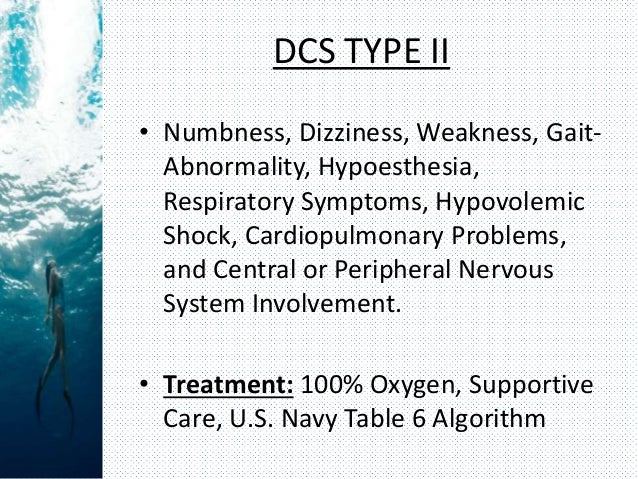
Type ii decompression sickness. Pain occurs in only about 30 of cases. It typically manifests with paresis numbness and tingling difficulty urinating and loss of bowel or bladder control. 1211981 Type II decompression sickness is described in a 22 year old healthy male following a deep sea diving exercise off the Irish coast.
5312020 Type II includes neurologic systems either CNS or peripheral cardiorespiratory audiovestibular and shock. Instant access to the full article PDF. Type II decompression sickness more severe The more severe type of decompression sickness most commonly results in neurologic symptoms which range from mild numbness to paralysis and death.
Severe symptoms can run a range of neurological manifestations and are called Type II. Sub-Clinical Type 1 Pain Only Type 2 CardioPulmonary. A description of the different types of decompression sickness decompression illness the bends from Midlands Diving ChamberType I DCI DCS Type II DCI DCS Pulmonary Barotrauma Arterial gas embolisation AGE skin bends ears lungs circulatory system abdominal pains pneumothorax.
In type 2 a person will experience. For example fatigue and weakness are common enough concerns especially if their onset is protracted that they can be very easy to ignore. The spinal cord is especially vulnerable.
Headache and fatigue may be present but are nonspecific. This difficulty sometimes leads unnecessarily to the permanent grounding of an experienced aviator. Decompression sickness is due to the formation of inert gas bubbles in tissues andor blood due to supersaturation.
The next type is Type II which does comprise the most serious forms that decompression sickness takes. Type II DCS is when the nitrogen bubbles begin to enter the bodys nervous system and. It typically manifests with paresis numbness and tingling difficulty urinating and loss of bowel or bladder control.
What is type II decompression sickness. Type II Decompression Sickness Ask the Flight Surgeon By Dr. Type II decompression sickness is considered serious and involves the central nervous system.
Headache and fatigue may be present but are nonspecific. This is a preview of subscription content log in to check access. 11272019 Experts classify decompression sickness with symptoms affecting the skin musculoskeletal and lymphatic systems as type 1.
Access options Buy single article. Type II decompression sickness tends to cause neurologic and sometimes respiratory symptoms. So that this condition could be better understood a.
Diagnosing Decompression Sickness. A slow build can actually obscure the seriousness of the situation by allowing denial to persist. If you suffer from type II DCS you may experience severe complications.
Type 1 is sometimes called the bends. 27 Type III DCS describes a syndrome that presents with severe symptoms of DCS as. Neurological Type 3 Vestibular Type 4 Osteopathic.
Because of the anatomic complexity of the central and peripheral nervous systems signs and symptoms are variable and diverse. Type II decompression sickness tends to cause neurologic and sometimes respiratory symptoms. The following characterizes type II DCS.
872019 Types of Decompression Sickness. Type 2 symptoms can develop either quickly or slowly. Dizziness tinnitus and hearing loss may result if the inner ear is affected.
Headache and fatigue may be present but are nonspecific. Dizziness tinnitus and hearing loss may result if the inner ear is affected. 352019 Type II decompression sickness.
It typically manifests with paresis numbness and tingling difficulty urinating and loss of bowel or bladder control. 1 pulmonary symptoms 2 hypovolemic shock or 3 nervous system involvement. Type II decompression sickness tends to cause neurologic and sometimes respiratory symptoms.
Dizziness tinnitus and hearing loss may result if the inner ear is affected.
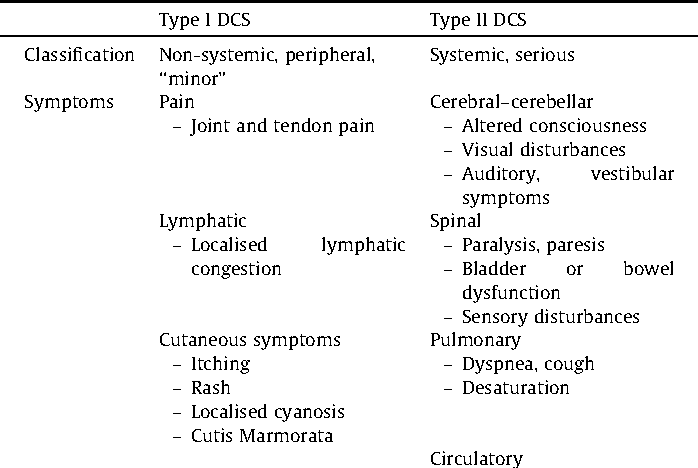 Table 1 From Cutis Marmorata Skin Decompression Sickness Is A Manifestation Of Brainstem Bubble Embolization Not Of Local Skin Bubbles Semantic Scholar
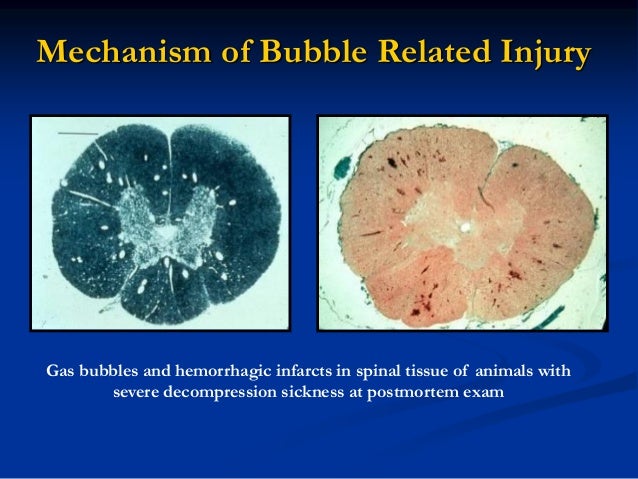 Decompression Illness
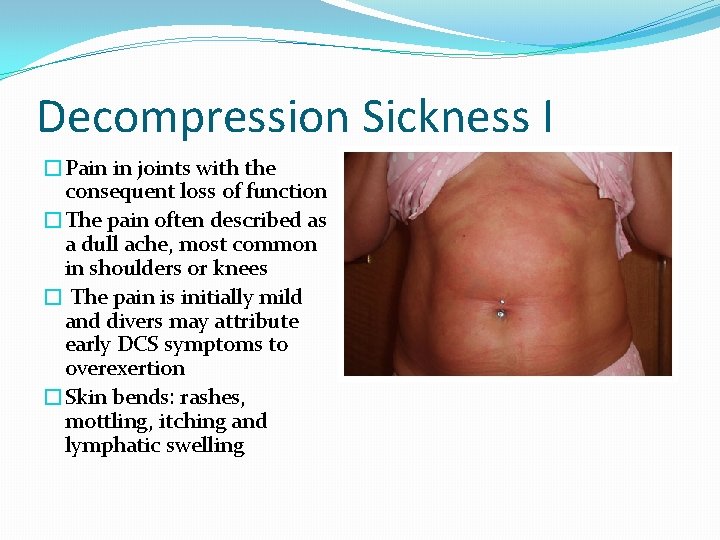 Objectives Review Physics Of Compressed Air Diving Complications
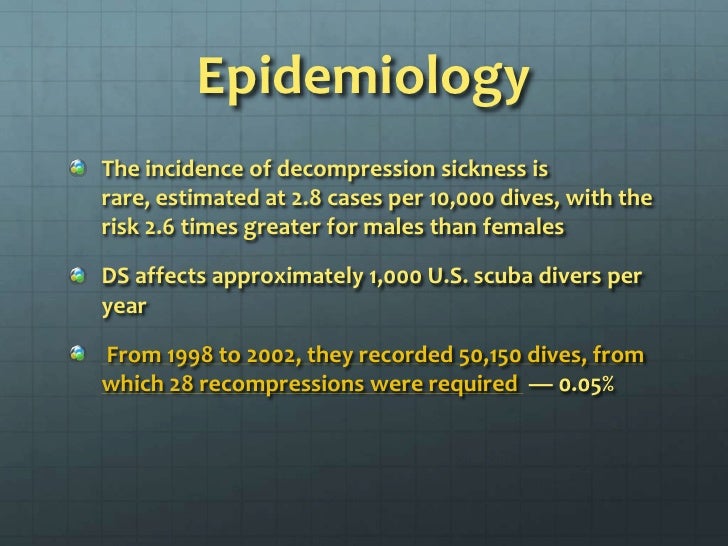 Decompression
 Neurological Complications Of Scuba Diving American Family Physician
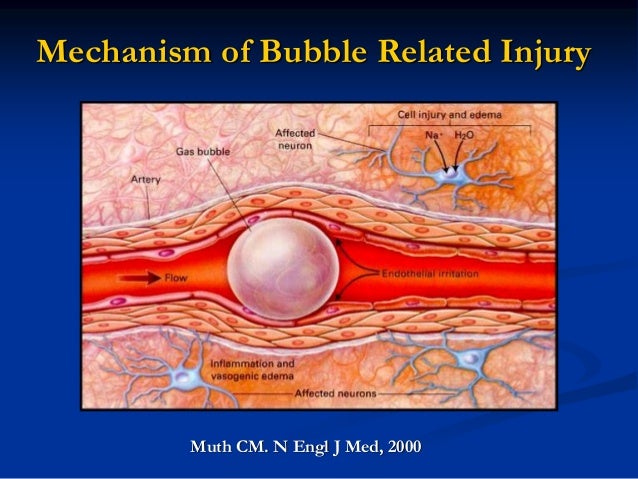 Decompression Illness
 Decompression Sickness Dcs The Bends Diving Diseses
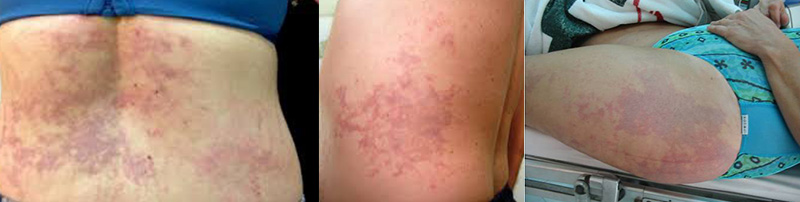
Decompression Sickness
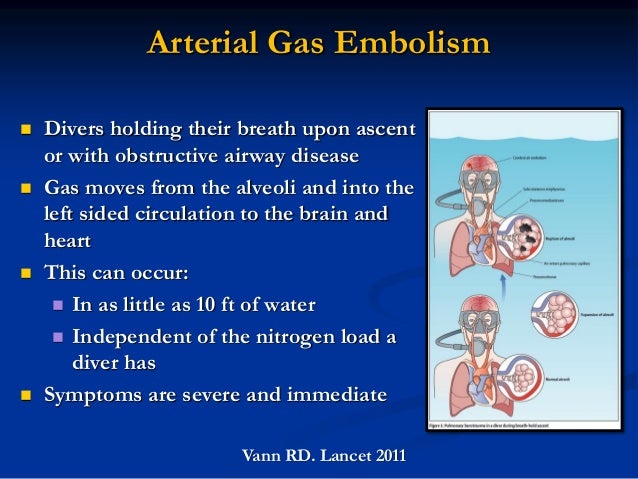 Decompression Illness

 Pdf Decompression Sickness The Bends In Sea Turtles

 Skin Bends Incident Insights Dan World
 Decompression Illness Overview Of Clinical Forms Pathophysiology Download Scientific Diagram
 Submersion Incidents Drowning And Diving Emergencies Ppt Download
 Pdf Evaluation And Management Of Decompression Illness An Intensivist S Perspective
 Decompression Illness
 Deep Sea Diving Ppt Video Online Download
Post a Comment for "Type Ii Decompression Sickness"