The build-up of bubbles causes immobility near your joints which stops you from moving. Bubbles are also known to form within other tissues where they may cause damage leading to symptoms of decompression sickness.
 Caisson Disease Get Images
These bubbles may block the flow of blood and starve the body parts of oxygen or the bubbles may cause damage by stretching tearing or pressing on the affected parts.
Decompression sickness also called. What is decompression sickness or the bends. Decompression sickness DCS or the bends is also called Caisson disease. It occurs most commonly in scuba or deep-sea divers although it also can occur during high-altitude or unpressurized air travel.
The pain usually occurs in the joints of the arms or legs back or muscles. Decompression sickness DCS is a dangerous and occasionally lethal condition caused by nitrogen bubbles that form in the blood and other tissues of scuba divers who surface too quickly. Decompression sickness definition is - a sometimes fatal condition that is caused by the release of gas bubbles typically of nitrogen as it leaves its dissolved form throughout the body upon a rapid decrease in barometric pressure such as that experienced by the rapid ascent of a diver from a deep dive or the rapid ascent of a pilot to high altitudes in a poorly pressurized aircraft and that.
5172018 Commonly referred to as the bends caisson disease or divers sickness disease decompression sickness or DCS is what happens to divers when nitrogen bubbles build up in the body and are not properly dissolved before resurfacing leading to symptoms such as joint pain dizziness extreme fatigue paralysis and collapse. At atmospheric pressure the body tissues contain in solution small amounts of the gases that are present in the air. Decompression sickness may also be a complication in a type of oxygen therapy called hyperbaric oxygenation in which the patient is placed in a high-pressure chamber to increase the oxygen content of the blood.
Decompression sickness is also called the bends. In other cases a serious injury occurs. DCS also called the bends or caisson disease results from inadequate decompression following exposure to increased pressure.
Decompression sickness DCS which is also known as divers disease or the bends describes the condition that affects scuba divers. It is caused when bubbles of gas most commonly nitrogen form in the body tissues due to changes of pressure which occur during scuba dives or aerospace or high altitude events when the participants experience quick changes of pressure from sea level. January 2019 Decompression sickness also called generalized barotrauma or the bends refers to injuries caused by a rapid decrease in the pressure that surrounds you of either air or water.
In some cases it is mild and not an immediate threat. 12122014 Definition Also called Decompression sickness DCS also known as divers disease the bends or caisson disease Decompression sickness DCS occurs when the body is exposed to a sudden drop in surrounding pressure. The less severe type or musculoskeletal form of decompression sickness often called the bends typically causes pain.
Personnel and the patient within the chamber must be protected from decompression sickness when they emerge from the high-pressure. The sooner the treatment of an injury begins the better the chance for a full recovery. These bubbles often accumulate in joints and hinder mobility causing a bent appearance.
Decompression sickness also called bends or caisson disease physiological effects of the formation of gas bubbles in the body because of rapid transition from a high-pressure environment to one of lower pressure. Decompression sickness also called BENDS or CAISSON DISEASE physiological effects of the formation of gas bubbles in the body because of rapid transition from a high-pressure environment to one of lower pressure. 4262020 Why is Decompression Sickness Called the Bends.
The symptom of immobility is the reason that decompression sickness is often referred to as the bends. In fact the bends is used to describe a common sign of Decompression Sickness DCS which is joint immobility and pain caused by gas bubbles forming in the blood and body tissues. DCS occurs most frequently during deep sea diving or when flying in a non-pressurized aircraft.
How dangerous can the bends be Even though movies depict it to be this life or death issue the bends are actually quite common and easy to treat. Decompression sickness is caused by bubbles which form in the blood and other body parts of people who have the pressure around them decrease too quickly. This damage is likely to be caused by mechanical deformation and stresses on the cells rather than local hypoxia which is an assumed mechanism in the case of gas embolism of the capillaries.
The condition arises from dissolved gases mostly nitrogen coming out of solution forming into bubbles inside the body on depressurisation. Sometimes the location is hard to pinpoint.
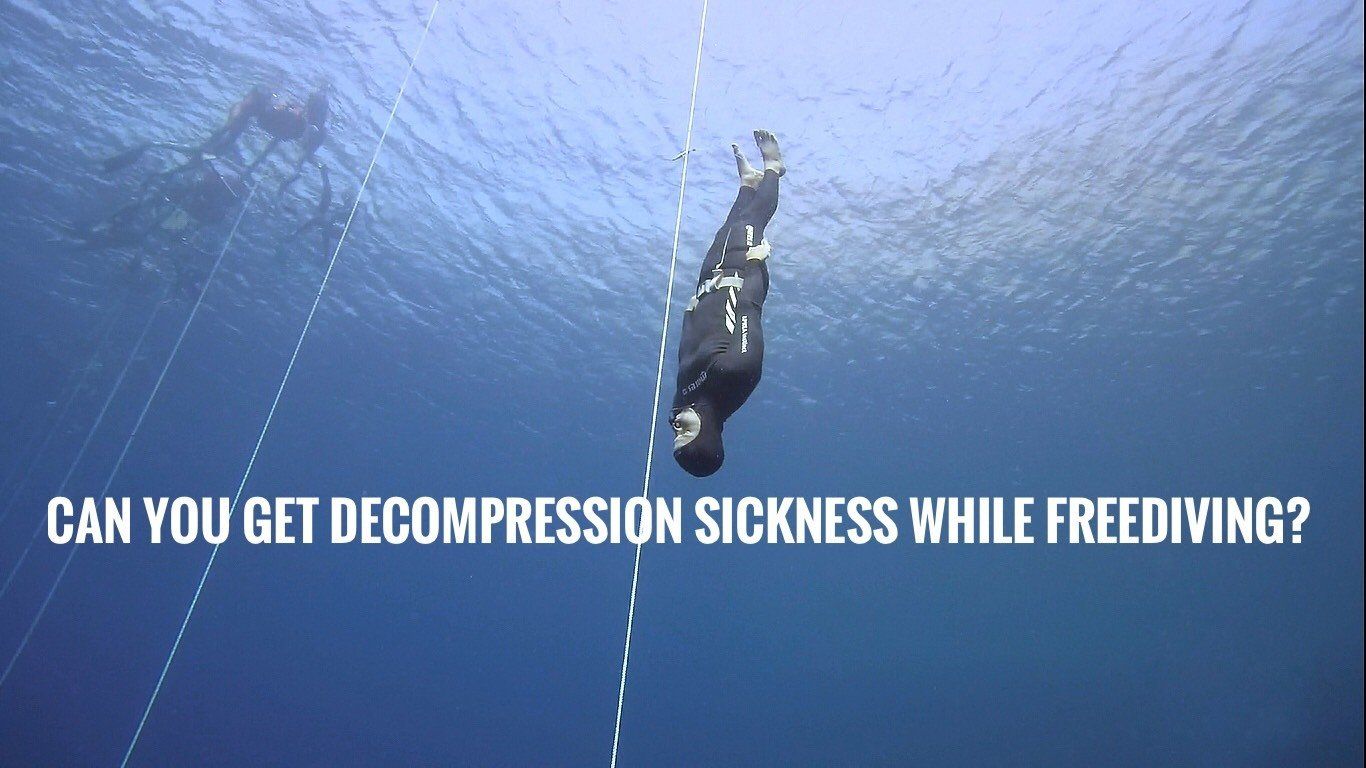 Can You Get Decompression Sickness Bends While Freediving
 Decompression Sickness Dcs The Bends Diving Diseses
 Caisson Disease Get Images
 Deep Sea Diving Ppt Video Online Download
 Related Image Decompression Sickness Body Tissues Sick
 Deep Sea Diving Ppt Video Online Download
 Caisson Disease Get Images
 The Bends Scuba Diving Decompression Sickness Is A Very Real Risk For All Scuba Divers But Where
 The Bends Scuba Diving Decompression Sickness Scuba Scuba Diver
 What Is Decompression Sickness Or The Bends Sport Diver
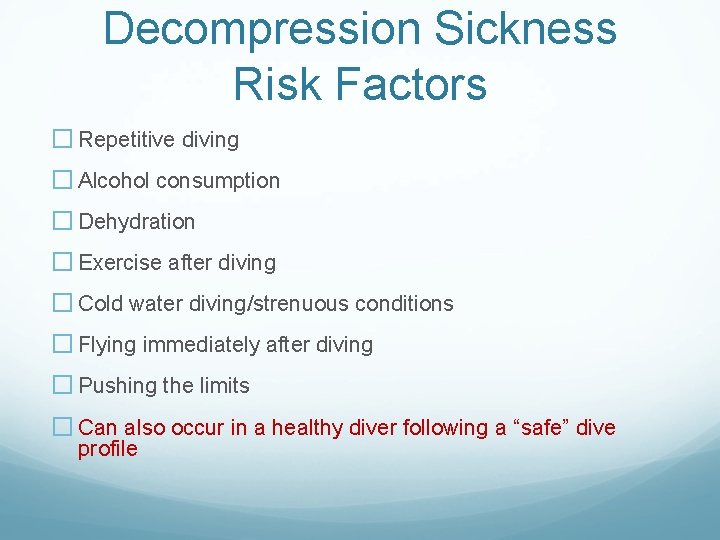 Decompression Illness Recognition And Initial Treatment Michelle Arnesen
 Types Of Pressure Vessels And How They Work In Details Petroleum Engineering Chemical Engineering Scuba Diving
 Deep Sea Diving Ppt Video Online Download
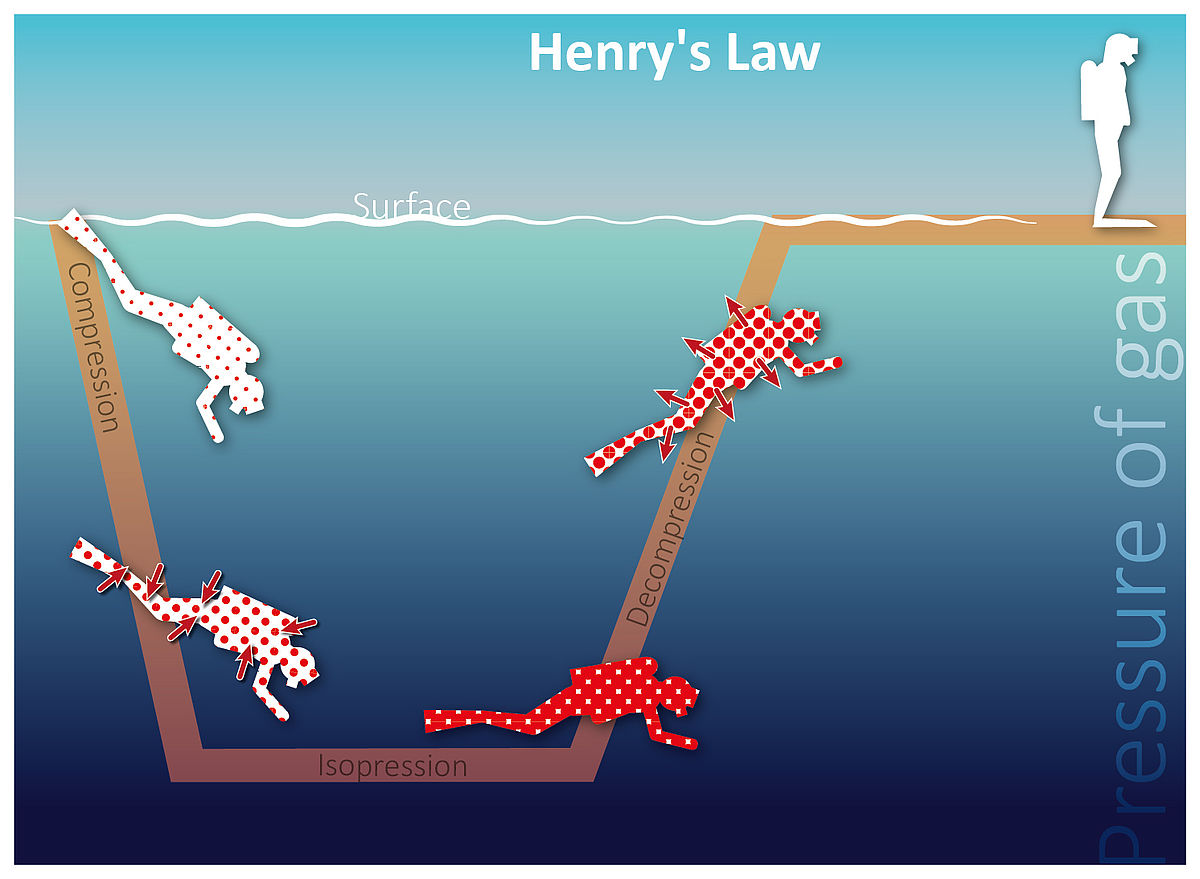 Decompression Sickness Medical Articles Service Medicine Aqua Med
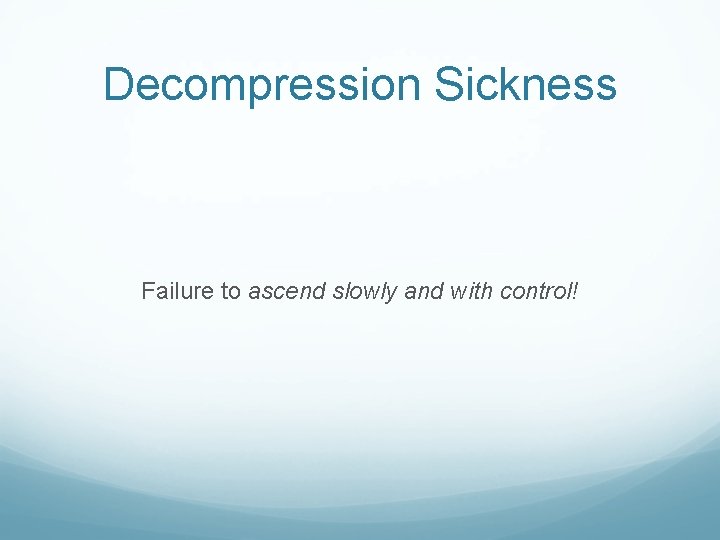 Decompression Illness Recognition And Initial Treatment Michelle Arnesen
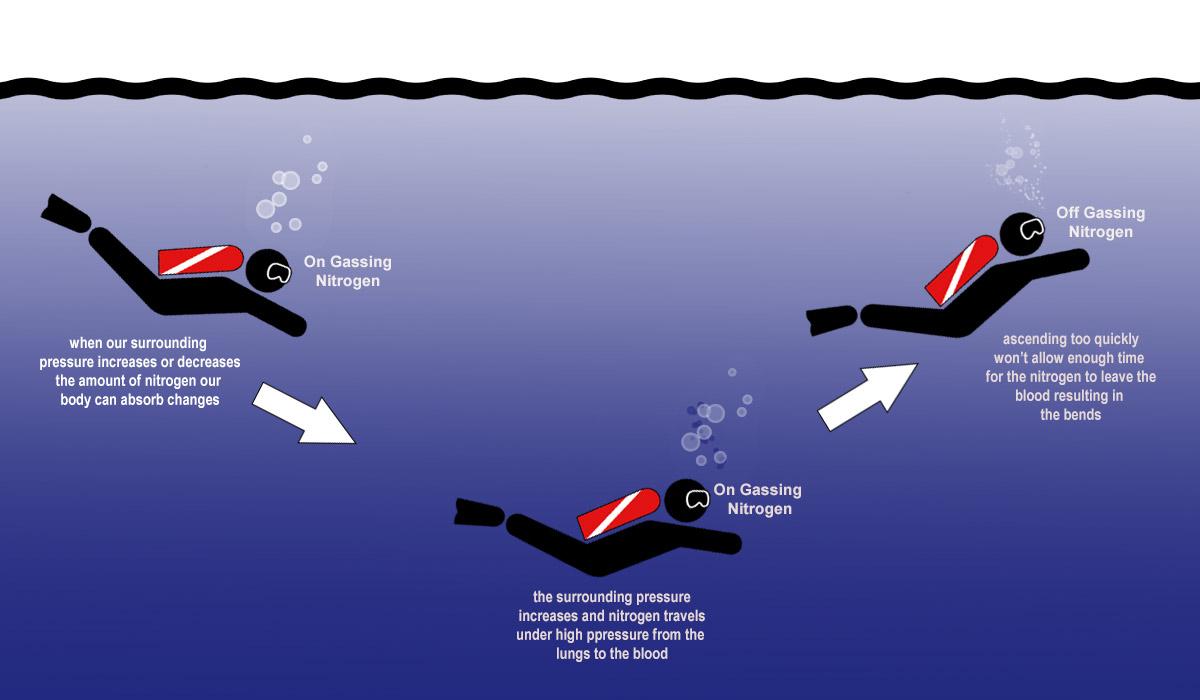 Diving And The Bends Memugaa
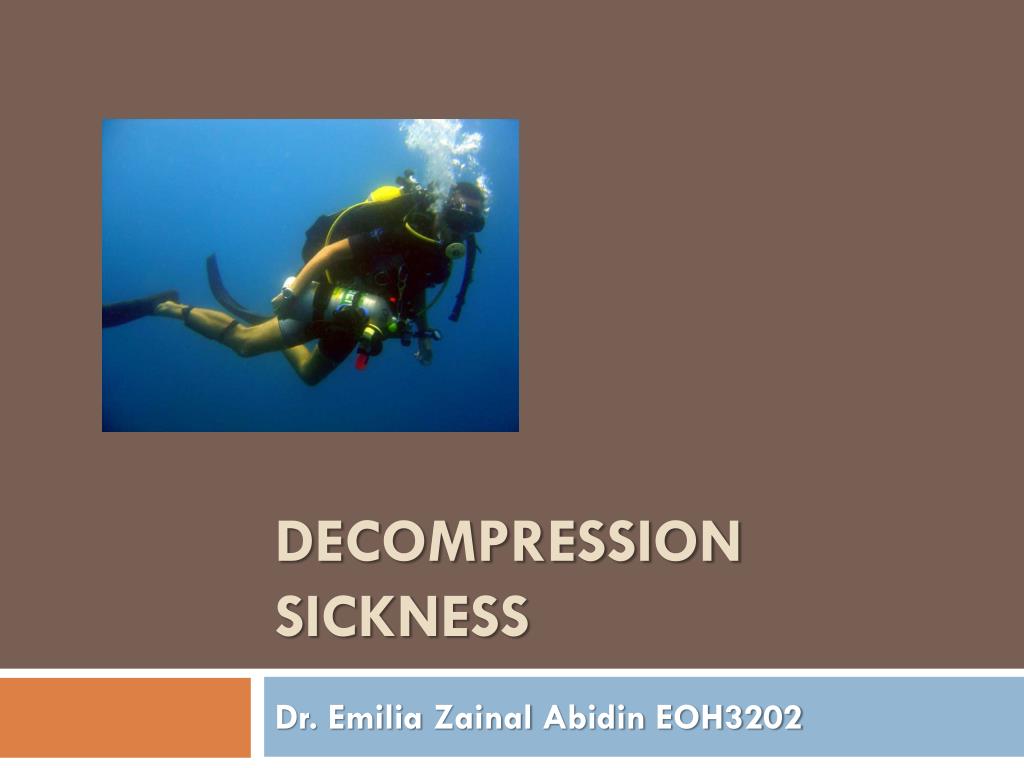 Ppt Decompression Sickness Powerpoint Presentation Free Download Id 1815000
 Deep Sea Diving Ppt Video Online Download
 Decompression Sickness
Decompression Sickness
Post a Comment for "Decompression Sickness Also Called"