When hyperbaric oxygen treatment is immediately administered to the diver there is generally a good prognosis. 11272019 Experts classify decompression sickness with symptoms affecting the skin musculoskeletal and lymphatic systems as type 1.
 Schematic Of A Lymph Node Download Scientific Diagram
Decompression sickness a common scuba diving condition also called the bends Specific types of non-healing wounds such as diabetic wounds.
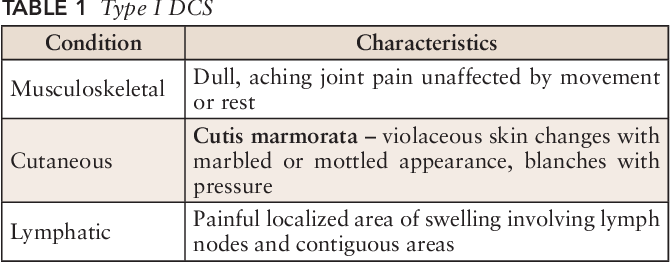
Decompression sickness lymph nodes. 4302018 Sometimes Type 1 DCS is associated with obstruction of the lymphatic system. Type 1 is sometimes called the bends. Type I decompression sickness tends to be mild and affects primarily the joints skin and lymphatic vessels.
Decompression sickness DCS or the bends is also called Caisson disease. When nitrogen bubbles affect the nervous system they can cause problems throughout the body. Tissues surrounding the lymph nodes such as in the armpits behind the ears or in the groin area may become painful.
372015 Type I decompression sickness includes joint pain musculoskeletal or pain-only symptoms and symptoms involving the skin cutaneous symptoms or swelling and pain in lymph nodes. Type II decompression sickness also called serious decompression sickness includes symptoms involving the central nervous system respiratory system or circulatory system. Left untreated symptoms of Type 1 DCS can intensify and become acutely.
The law states that at equilibrium the concentration. Can involve nodes and wider lymphatic obstruction. Lymphatic edema and tender lymph nodes.
20321 Musculoskeletal Pain-Only Symptoms. Decompression sickness DCS is caused by the formation of bubbles of gas that occur with changes in pressure during scuba diving. Type II decompression sickness is the most serious and can be immediately life-threatening.
Type I decompression sickness includes skin symptoms lymph node swelling and joint andor muscle pain and is not life threatening. The term decompression illness DCI was coined to encompass both DCS and the related condition known as arterial gas embolism AGE the latter arising from barotrauma of the lungs that introduces gas into the systemic bloodstream. Decompression sickness DCS has also been subdivided into Type I DCS-I which includes joint pain symptoms involving the skin or swelling and pain in lymph nodes and Type II DCS-II which includes symptoms in.
Gas nuclei could be generated at this level could pass into the blood during the rst minutes of a decompression then. This type of DCS normally shows as tingling numbness respiratory problems and unconsciousness. Type 1 usually consists of musculoskeletal pain and mild skin symptoms like itching and mild rashes swelling and pain in tissues surrounding lymph nodes.
The main effect is on the nervous system. 10302007 The doctor will first focus on treating life threatening side effects of decompression sickness and may give the diver high-flow oxygen or IV fluids. Volved in decompression sickness.
Lymph Nodespathology Lymphatic Systemdrug effects. Type II decompression sickness may become life threatening. Gas gangrene fast-spreading gangrene in infected wounds that gives off a foul-smelling gas Intracranial abscess originating from an ear infection sinus infection or another primary source of infection.
Types of Decompression sickness There are two types of DCS. In type 2 a person will experience. For decompression sickness the bends.
The symptoms of Type 1 DCS can build in intensity. It is also experienced in commercial divers who breathe heliox a special mixture of oxygen and helium and astronauts and aviators who experience rapid changes in pressure from sea level. It is caused when bubbles of gas most commonly nitrogen form in the body tissues due to changes of pressure which occur during scuba dives or aerospace or high altitude events when the participants experience quick changes of pressure from sea level.
The diver may be sent to a hyperbaric chamber for recompression. Less common but still associated with Type 1 DCS is obstruction of the lymphatic system which can result in swelling and localized pain in the tissues surrounding the lymph nodes such as in the armpits groin or behind the ears. Type II decompression sickness which may be life-threatening often affects vital organ systems including the brain and spinal cord.
 Pin On Human Lymphatic System
 Schematic Of A Lymph Node Download Scientific Diagram
 Schematic Of A Lymph Node Download Scientific Diagram
 Jaypeedigital Ebook Reader
Mottled Blanching Skin Changes After Aggressive Diving Semantic Scholar
 Lymph Nodes Corresponding Illness Lymph Nodes Lymph Massage Medical Therapy
 Massage Lymphedema Therapy Lymphatic System Lymphatic Lymphedema
 Scuba Safety Decompression Sickness Scuba Diving Website For Women
 Schematic Of A Lymph Node Download Scientific Diagram
 Nodes In The Neck Lymph Glands Lymph Massage Lymph Nodes
 Lymphatic Drainage Netter Medical Illustrations Lymph Massage Lymphatic Drainage Lymphatic
 Symptom Frequency And Location Type 1 Dcs Symptoms And Niggles Download Table
 Schematic Of A Lymph Node Download Scientific Diagram
 Lymph Nodes Near Upper Trap Google Search Lymphmassage Lymph Massage Lymph Massage Lymph Nodes Sternocleidomastoid Muscle
 Decompression Sickness Dcs Arterial Gas Embolism Age Pediatric Pulmonologists
 Why Do Lymph Nodes Become Swollen With Pictures Lymph Nodes Swollen Lymph Nodes Lymphatic Drainage Massage
 Schematic Of A Lymph Node Download Scientific Diagram
 What To Know About Decompression Sickness
 Ask Dan How Can I Tell If I Have Dcs Sport Diver
Post a Comment for "Decompression Sickness Lymph Nodes"