Type 1 decompression sickness considered less severe concerning skin symptoms and lymphatic swelling. Decompression illness includes two conditions.
 Rheumatoid Arthritis Of The Glenohumeral Joint Rheumatoid Arthritis Ra Is An Inflammatory Disease Based W Arthritis Rheumatoid Arthritis Shoulder Arthritis
The technical term for decompression sickness is generalized barotrauma Many people in the scuba diving community refer to decompression sickness as the bends This is a condition that causes joint pain and pain throughout several other parts of the body.

Decompression sickness is a painful condition that results in. In most cases of altitude decompression sickness the person generally complains of joint pains the bends in which shoulder is the commonest site. - is a painful condition that results from a too-rapid change from a high- to low-pressure environment decompression. When large joints like elbows shoulders hips wrists knees and ankles are involved the person complains of localized deep pain that can be mild to excruciating.
This sickness is generally classified into two types. The main effect is on the nervous system. It typically afflicts underwater divers on poorly managed ascent from depth or aviators flying in inadequately pressurised aircraft.
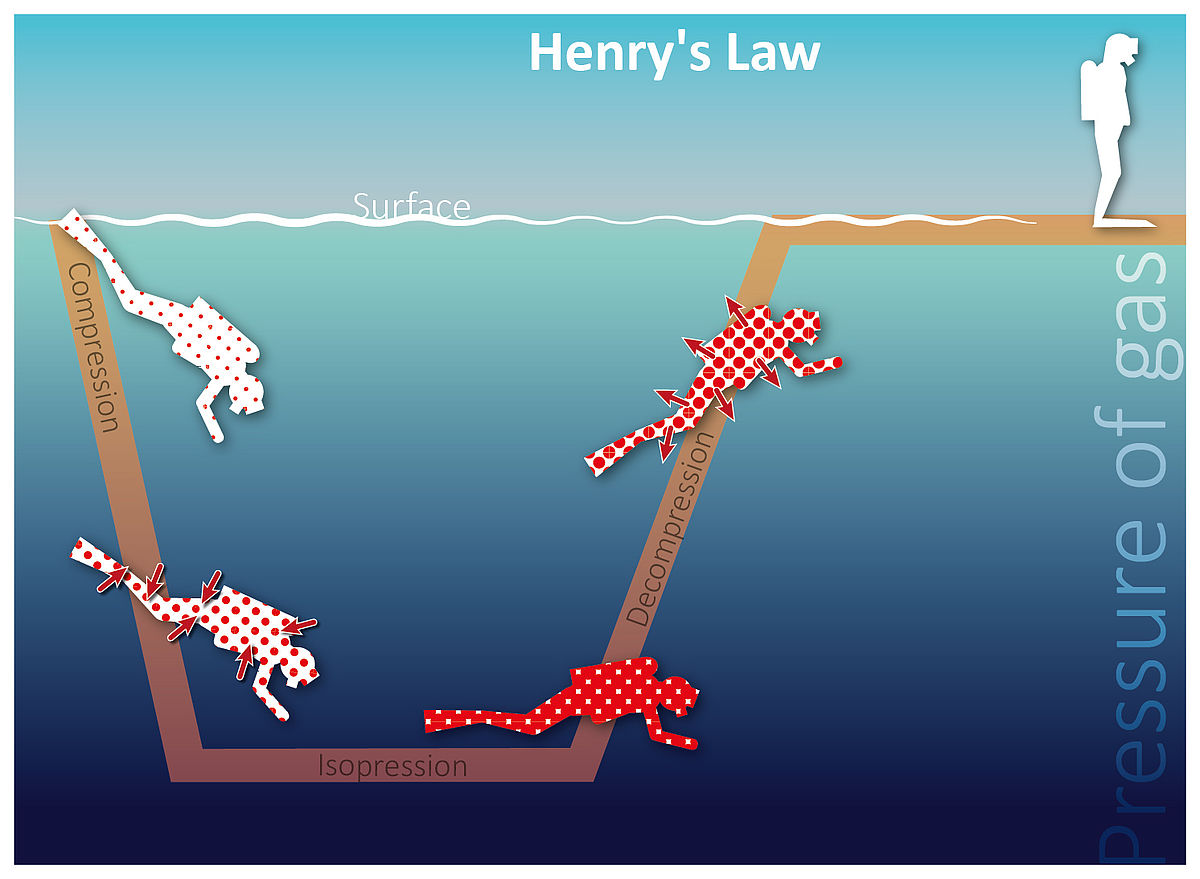
11272019 Decompression sickness is a type of injury that occurs when theres a rapid decrease in pressure surrounding the body. The spinal cord is especially vulnerable. Decompression sickness results from the formation of bubbles in the blood or body tissues and is caused by inadequate elimination of dissolved gas after a dive or other exposure to high pressure.
Decompression sickness a condition resulting from a too-rapid decrease in atmospheric pressure as when a deep-sea diver is brought too hastily to the surface. The popular term bends is derived from the bodily contortions its victims undergo when atmospheric pressure is abruptly changed from a high pressure to a relatively lower one. The popular term bends is derived from the bodily contortions its victims undergo when atmospheric pressure is abruptly changed from a high pressure to a relatively lower one.
The more severe type of decompression sickness most commonly results in neurologic symptoms which range from mild numbness to paralysis and death. Type 2 DCS considered more severe including neurological inner ear and cardiopulmonary symptoms. 612001 The incidence of decompression sickness among recreational scuba divers is estimated to be one case per 5000 to 10000 dives1 Diving within the limits of.
This type of DCS normally shows as tingling numbness respiratory problems and unconsciousness. Type II decompression sickness is the most serious and can be immediately life-threatening. Decompression sickness DCS which results from metabolically inert gas dissolved in body tissue under pressure precipitating out of solution and forming bubbles during decompression.
Decompression sickness DCS is an acute condition that occurs during or shortly after an acute reduction in ambient pressure caused by bubbles. Decompression sickness definition is - a sometimes fatal condition that is caused by the release of gas bubbles typically of nitrogen as it leaves its dissolved form throughout the body upon a rapid decrease in barometric pressure such as that experienced by the rapid ascent of a diver from a deep dive or the rapid ascent of a pilot to high altitudes in a poorly pressurized aircraft and that. Decompression sickness - also known as caisson disease divers paralysis or the bends.
1052020 Decompression sickness physiology is quite complex. Decompression illness results from a reduction in the ambient pressure surrounding a persons body. When nitrogen bubbles affect the nervous system they can cause problems throughout the body.
Decompression sickness a condition resulting from a too-rapid decrease in atmospheric pressure as when a deep-sea diver is brought too hastily to the surface. The victim usually is a scuba diver who ascends too quickly from water deeper than 33 10 m. Decompression sickness and arterial gas embolism.
Sufferers have known to double over because theyre in so much pain. It is commonly caused by pressure changes that occur in scuba diving a very popular sport in many parts of the world. Symptoms of spinal cord involvement can include numbness tingling weakness or a combination in the arms legs or both.
It usually occurs in deep-sea divers. The bends also known as decompression sickness DCS or Caisson disease occurs in scuba divers or high altitude or aerospace events when dissolved gases mainly nitrogen come out of solution in bubbles and can affect just about any body. It can be caused by an acute decompression from ground level to altitude or more commonly by decompression from a dive or hyperbaric chamber exposure back to ambient pressure.
Decompression sickness may also occur with exposure to subatmospheric pressures altitude exposure as in an altitude chamber or sudden loss of cabin pressure in an aircraft.
 What Is Hyperbaric Oxygen Therapy Winged Hope Hyperbaric Oxygen Therapy Oxygen Therapy Ozone Therapy
 Pin On Asd
 Decompression Sickness Medical Articles Service Medicine Aqua Med
 Google Image Result For Http Catalog Nucleusinc Com Imagescooked 4858w Jpg Spinal Fusion Surgery Spinal Fusion Spinal
 Pdf Decompression Sickness Dcs And Diving Illnesses Mimicking Dcs A Case Series
 Pin On General Pathology
 Pin On My Health
 Pin On Nutrition Health
 Pin On Exercise Health
 Pin On I Am Stronger Then You Think
Related Image Decompression Sickness Body Tissues Sick
 4 Questions With Answers In Decompression Sickness Science Topic
 Decompression Sickness
 Pin On Health
 Pin On Excalibur S Mri Board
 Oxygen And The Brain The Journey Of Our Lifetime Hyperbaric Oxygen Therapy Ozone Therapy Oxygen
 See The Inside Of A Decompression Chamber Hopefully Not Due To Emergency Diving Scuba Diving Preparation
 Pin On Pets Funny
 Luz Verde Para Nadar No Mar Da Italia Mas E Obrigatorio O Uso Da Boia De Sinalizacao Natacao Em Aguas Abertas Aguas Abertas Nadar
Post a Comment for "Decompression Sickness Is A Painful Condition That Results In"