It was developed by DE. The Haldanean Decompression Model.
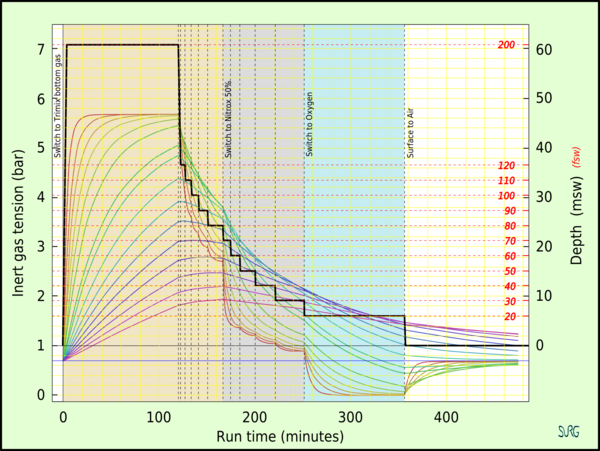 Commercial Diving Basic Decompression Theory Wikiversity
Yount and others for use in professional and recreational diving.

Decompression models diving. This is not generally the case and most models. A key feature of the CDM-18 model is in the prediction of the correct gas switching methodology so as to prevent Isobaric Counter Diffusiontype III DCS. 5152020 A Haldane-type decompression model describes the divers body as a set of independent compartments connected directly to the breathing gas and governed by classical diffusion.
412009 That is these models with data modifications form the underpinnings of diving tables decompression computers software and associated protocols. 1Nuclear Weapons TechnologySimulation and Computing Applied and Computational Physics Division CC Dive Team Leader Los Alamos National Laboratory MS-F699 Los Alamos NM 87545 USA. Most of the operational decompression models have a neo-Haldanian form.
This review is organized around the comparison of decompression model biophysical criteria and theoretical foundations. Experimentally it has been shown that the body adapts to decompression to some degree when diving is. 11152013 Even today divers are faced with a diversity of tables and decompression models incorporated into diving computers.
Such discussion is neither medical nor physiological synthesis. Yount and others for use in professional diving and recreational diving. In a serial model the compartments outgas to each other even as they ongas from other tissues of higher nitrogen tension.
The functioning of diving decompression computers is based on predictive models that are made operational through algorithms. Only one tissue is assumed to be exposed to ambient pressure. It was developed to model laboratory observations of bubble formation and growth in both inanimate and.
The Varying Permeability Model VPM is a decompression algorithm developed by DE. Navy tables and others are distinctly different in their approach to decompression management. On each dive the divers body takes up inert gasses like Nitrogen.
Nevertheless bubble modeling has been. Relatively simple models can be con-structed to manage diving decompression obligations with a high degree of confidence as long as the dive profiles fall within the models range of applicability. Decompression model and algorithm based on bubble physics.
Henrys Law is applied to predict the on- and off-gassing of inert gas in each tissue compartment of the model. After the dive the divers body is supersaturated with inert gas and has to get rid of this ex-cess gas decompression. DECOMPRESSION THEORY - NEO-HALDANE MODELS This section describes the Haldane or neo-Haldane decompression theories.
The past 15 years or so have witnessed changes and additions to diving protocols and table procedures such as shorter nonstop time limits slower ascent rates shallow safety stops ascending repetitive profiles deep decompression stops helium based breathing mixtures permissible reverse profiles multilevel techniques both faster and slower controlling repetitive tissue halftimes smaller critical tensions longer flying-after-diving. Virtually all dive tables and dive computers calculate no decompression limits and decompression stops when needed based on a Haldanean decompression model. The intent here is to present a working view of physical phase mechanics then followed by a summary of working models in diving.
Some are simple re-configurations of the basic US. These compartments do not use set halftimes. Then the DCS-predictive capability was analyzed to assess whether it could be improved by combining different approaches.
Diving decompression models and bubble metrics. The Varying Permeability Model Variable Permeability Model or VPM is an algorithm that is used to calculate the decompression stops needed for a particular dive profile. Because any decompression model is purely theoretical and does not monitor the actual body of a diver no decompression model can guarantee the absence of DCS.
Models of dive computer and two air decompression tables before the dive would require an y decompression over a depth range of 15 to 51 msw. This is named after John Scott Haldane who developed the first such mathematical decompression model and based on it the first dive tables in 1906. All dive profiles w.
Testing has included multi-day decompression diving during 2 week dive series and other world record dives in the 200meter-300meter depth range. Serial decompression models assume that gas transfers from tissue to tissue during a dive. Decompression models should ideally accurately predict risk over the full range of exposure from short dives within the no-stop limits decompression bounce dives over the full range of practical applicability including extreme exposure dives and repetitive dives alternative breathing gases including gas switches and constant PO 2 variations in dive profile and saturation dives.
 Decompression Practice Wikiwand
 Decompression Diving Wikiwand
 Rf3 0 Decompression Methods Youtube
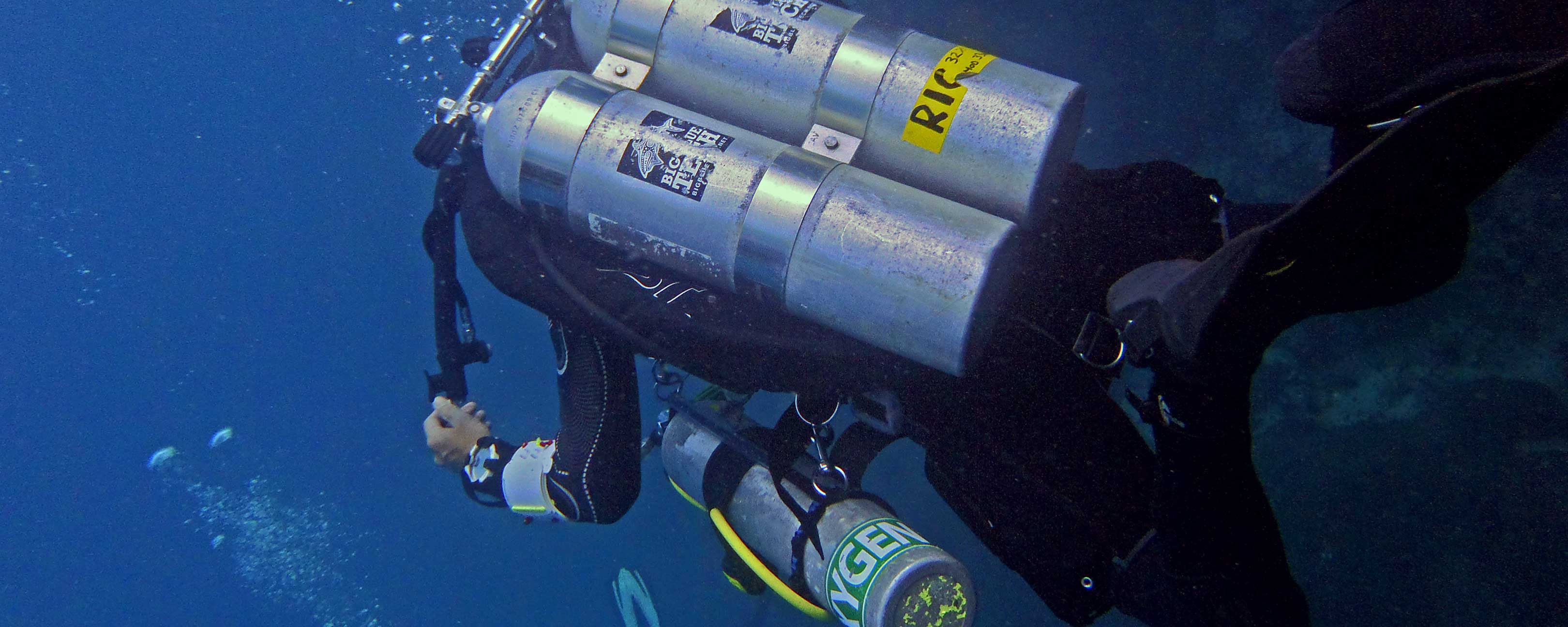 Advanced Nitrox And Decompression Procedures Big Blue Tech Diving
 Deco For Divers A Diver S Guide To Decompression Theory And Physiology Mark Powell 9781905492299 Amazon Com Books Physiology Theories Writing A Book
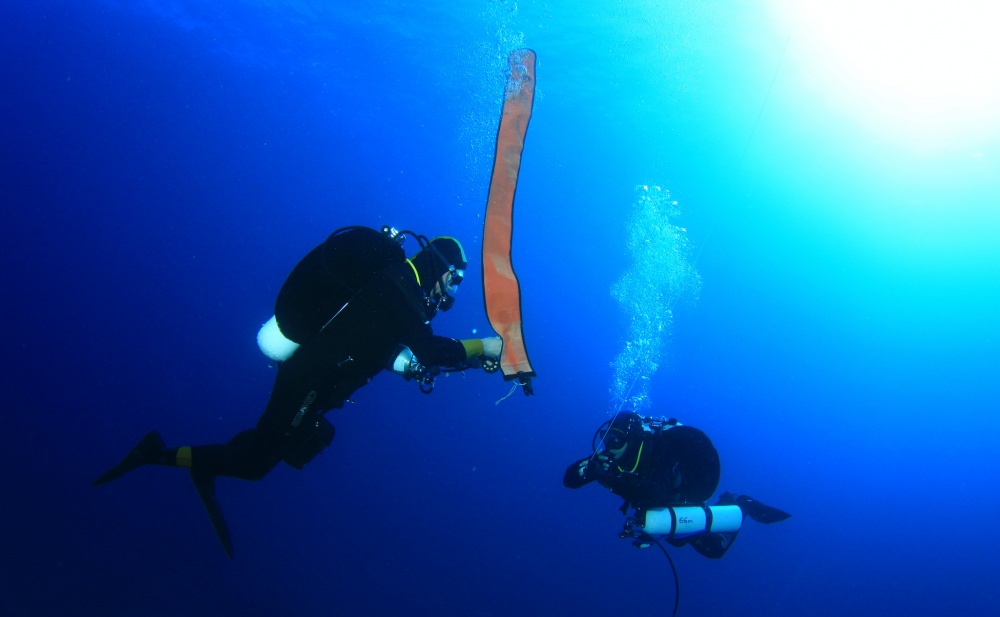 Safeair Decompression Diver
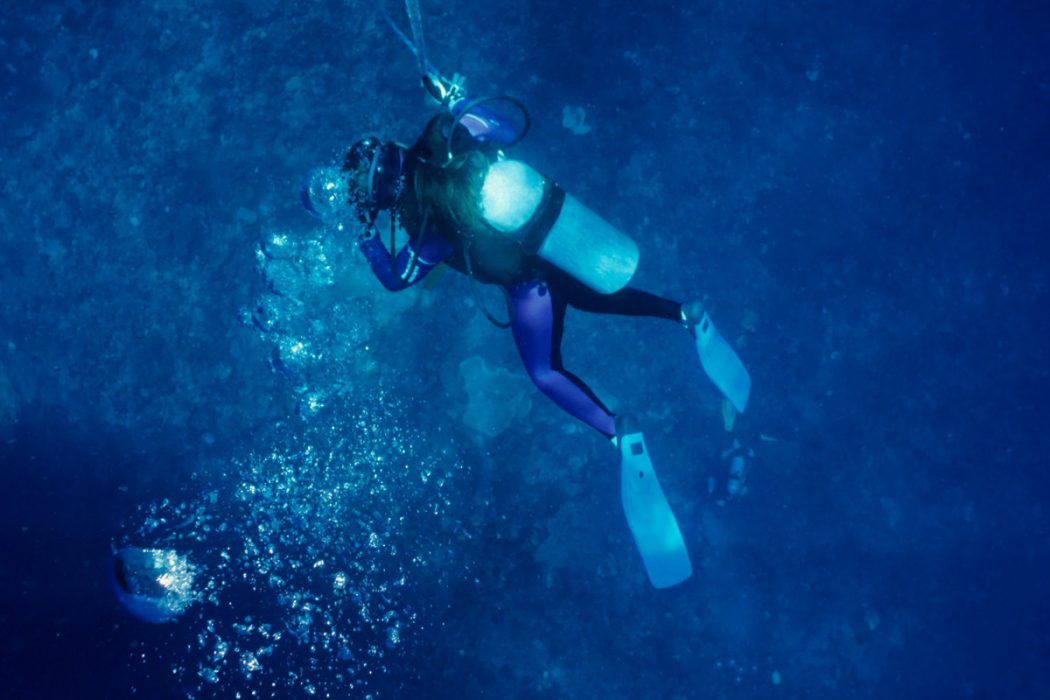 Beyond The Soda Bottle An In Depth Look At Decompression Illness Scuba Diving News Gear Education Dive Training Magazine
 Diver In Water Decompression Along An Anchor Line Is Cold Boring Download Scientific Diagram
 Decompression Practice Wikiwand
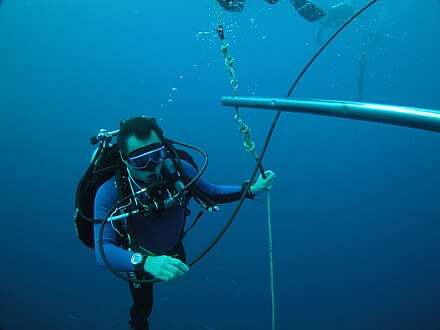 Decompression Theory Wikiwand
Decompression Procedures Ola Aventura
 Comparison Of No Decompression Air Diving Limits 10 Maximum Bottom Download Table
 Part Ii Decompression Theory For Dive Professionals
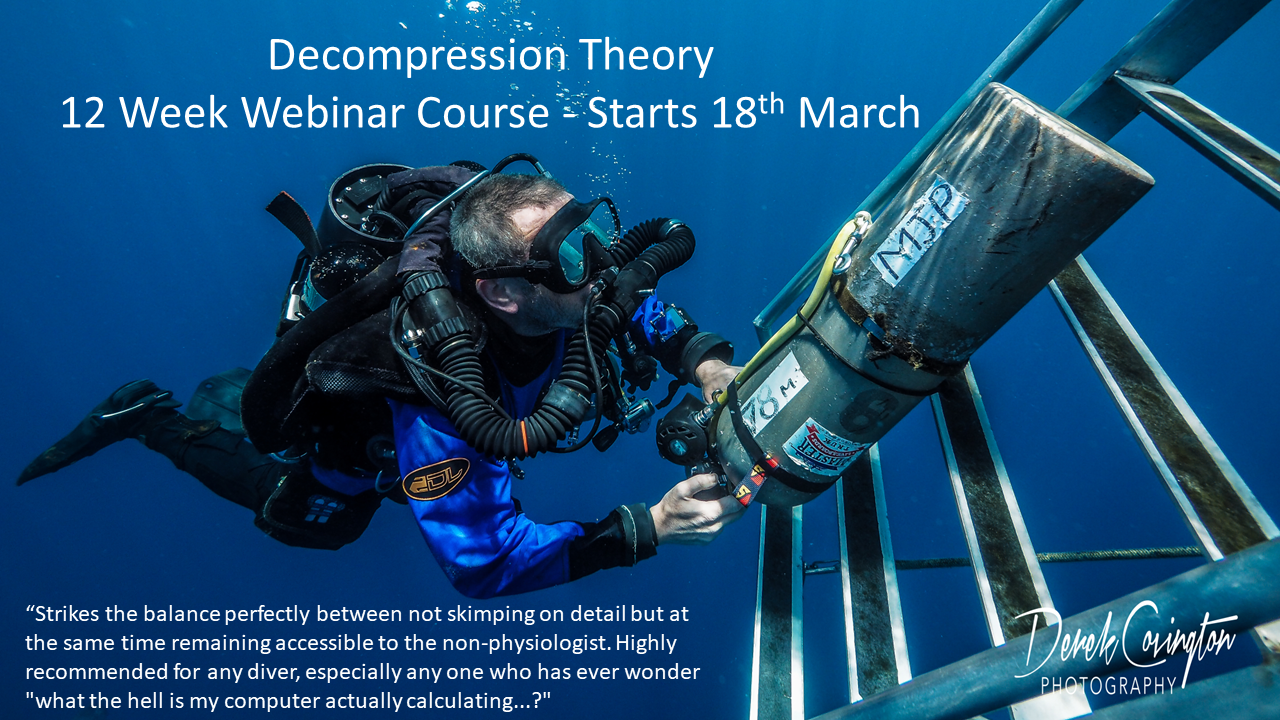
 File Inert Gas Tensions In The Tissue Compartments During A Decompression Dive Png Wikiversity
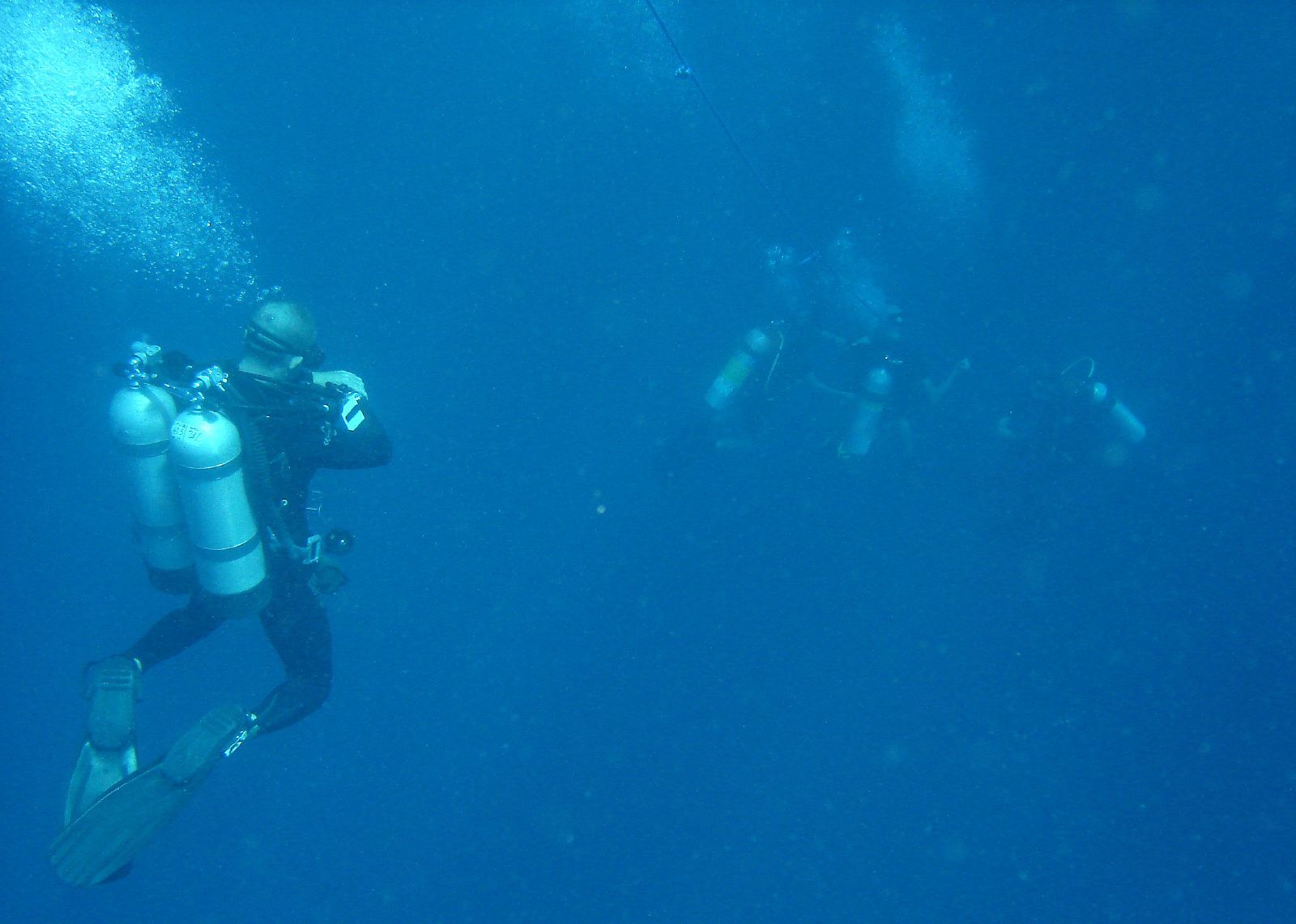 Decompression Diving Wikiwand
 21 Tips For Decompression Diving Scuba Diving
 Decompression Theory Pt 4 Sdi Tdi Erdi Pfi
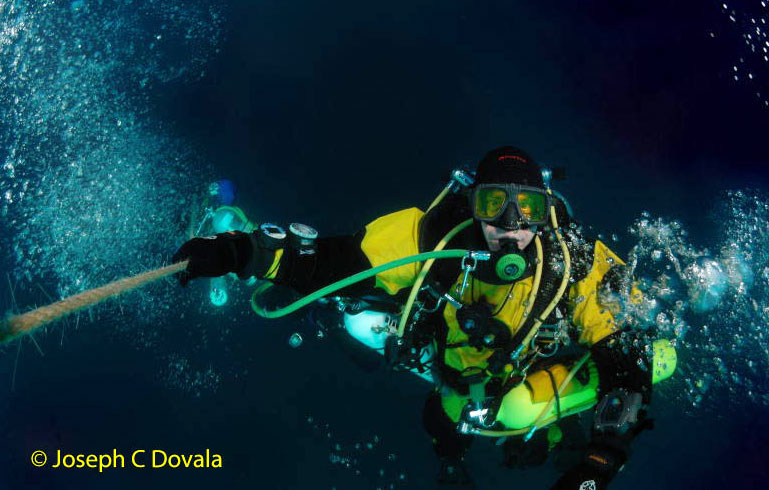
Post a Comment for "Decompression Models Diving"