It is characterized by an involvement of the nervous system in the pulmonary problems circulatory problems and the lung symptoms. Pain is reported in only about 30 of cases.
 Abb 1 8 Systematik Der Tauchunfalle Dci Decompression Illness Download Scientific Diagram
11272019 Experts classify decompression sickness with symptoms affecting the skin musculoskeletal and lymphatic systems as type 1.
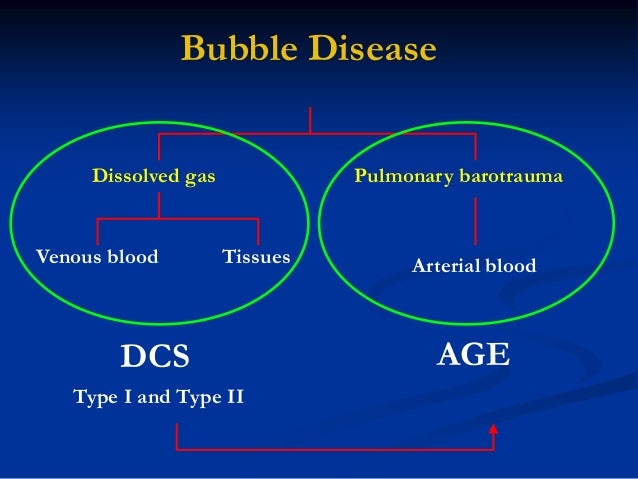
Type 2 decompression sickness. LTC Joseph Puskar. 4302018 DCS Type 1 symptoms are generally milder and less immediately critical than Type 2 DCS symptoms. Type II altitude-related decompression sickness DCS due to its wide spectrum of symptoms is often difficult to diagnose.
Pain occurs in only about 30 of cases. In some cases the rash may be raised. In this type decompression pain is reported only for about 30 of the cases.
Decompression sickness is due to the formation of inert gas bubbles in tissues andor blood due to supersaturation. Because of the anatomical complexity of the central and peripheral nervous systems signs and symptoms are variable and diverse. In cases where the sheer number and position of gas bubbles overwhelm the gas filtering capability of the lungs blood flow can be impaired leading to a sensation of struggling for breath.
Type 1 DCS Type 1 DCS is usually characterized by musculoskeletal pain and mild cutaneous or skin symptoms. Type 1 is sometimes called the bends. So that this condition could be better understood a.
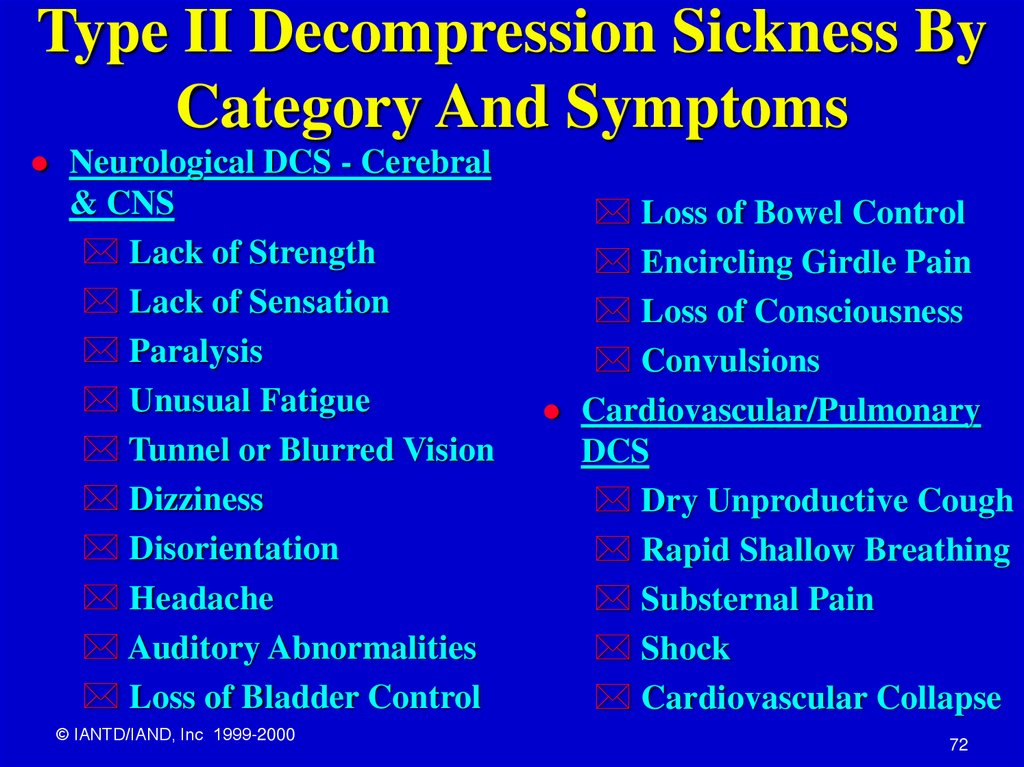
A recent case study of an air traffic controller who developed type II neurologic decompression sickness DCS after a series of four consecutive training SCUBA dives illustrates the dangers of DCS for military and civilian divers and aviators. It includes the problems of Nervous System Pulmonary System Circulatory System and LungsIn this type of decompression pain is reported in only 30 of cases. Type II decompression sickness more severe The more severe type of decompression sickness most commonly results in neurologic symptoms which range from mild numbness to paralysis and death.
One common approach is to describe cases as Type 1 or Type 2. The skin may feel thickened. Type II decompression sickness is considered serious and involves the central nervous system.
Type 1 is often identified with musculoskeletal pain such as the classic pain the joints at the elbow or knee. Alternatively or sometimes in addition they. This type of decompression illness is known as chokes or pulmonary decompression sickness.
8232011 Decompression Sickness Type 2 The Type 2 Decompression Sickness is a serious form of this disease. Because of the anatomic complexity of the central and peripheral nervous systems signs and symptoms are variable and diverse. Some main symptoms of this type of decompression are.
Type 1 DCS is usually characterized by musculoskeletal pain and mild cutaneous or skin symptoms. 872019 Types of Decompression Sickness. 352019 Type II decompression sickness.
372015 symptom of serious decompression sickness and shall be treated by recompression as Type II decompression sickness. In type 2 a person will experience. 6302011 Decompression Sickness Type 2 The type 2 of Decompression Sickness is basically a serious form of this disease.
What is type II decompression sickness. The following characterizes type II DCS. Sub-Clinical Type 1 Pain Only Type 2 CardioPulmonary.
This condition starts as intense itching progresses to redness and then gives way to a patchy dark-bluish discoloration of the skin. 1 pulmonary symptoms 2 hypovolemic shock or 3 nervous system involvement. Type II DCI is characterised by nervous system involvement pulmonary lung symptoms and circulatory problems such as hypovolaemic shock.
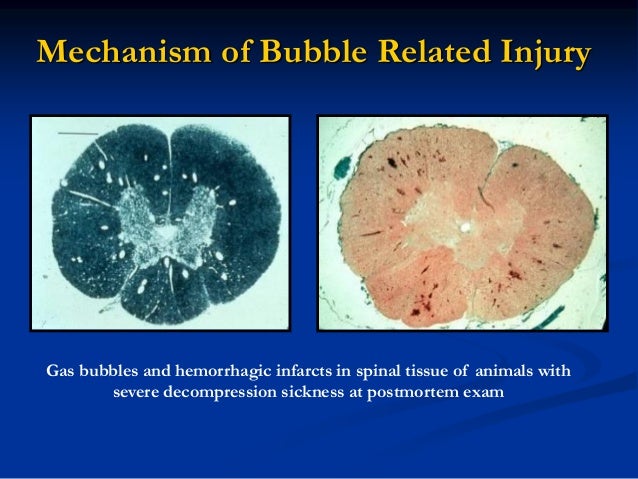
The spinal cord is especially vulnerable. Type II decompression sickness more severe The more severe type of decompression sickness most commonly results in neurologic symptoms which range from mild numbness to paralysis and death. Neurological Type 3 Vestibular Type 4 Osteopathic.
A variety of classification systems have been established for DCS. This difficulty sometimes leads unnecessarily to the permanent grounding of an experienced aviator. Type II Decompression Sickness Ask the Flight Surgeon By Dr.
A diver may report chest tightness or pain difficult and rapid. Common Type 1 skin manifestations include itching and mild rashes as distinct from a clear mottled or marbled and sometimes raised discoloration of the skin a condition that is known as cutis marmorata that may presage the development of the more serious symptoms of Type 2. The spinal cord is especially vulnerable.
 Neurological Complications Of Scuba Diving American Family Physician
 Decompression Illness Decompression Sickness Vs Arterial Grepmed
 Advanced Open Water Ru Online Presentation
 Decompression Sickness What To Know
 Lecture 4 Trapped Gas And Decompression Sickness Ppt Video Online Download
 Decompression Illness
 Decompression Illness Rcemlearning
Decompression Illness
 Decompression Sickness Ppt Video Online Download
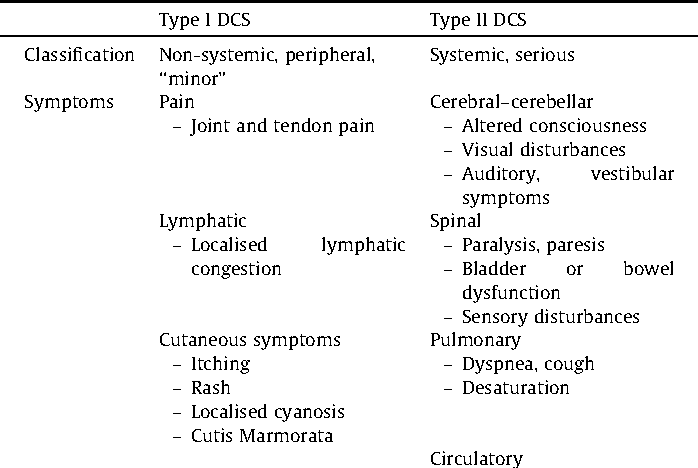 Table 1 From Cutis Marmorata Skin Decompression Sickness Is A Manifestation Of Brainstem Bubble Embolization Not Of Local Skin Bubbles Semantic Scholar
 Decompression Sickness Dcs Arterial Gas Embolism Age Pediatric Pulmonologists
 Decompression Illness
Decompression Illness
 Decompression Illness Overview Of Clinical Forms Pathophysiology Download Scientific Diagram
 Lecture 4 Trapped Gas And Decompression Sickness Ppt Video Online Download
 Pdf Evaluation And Management Of Decompression Illness An Intensivist S Perspective
 Decompression Sickness Ppt Video Online Download
 Decompression Illness
Plos One The Probability And Severity Of Decompression Sickness
 References In Decompression Illness The Lancet
Post a Comment for "Type 2 Decompression Sickness"